Compass Business Finance to focus on
anaerobic digestion finance
Go deeper with GlobalData


Access deeper industry intelligence
Experience unmatched clarity with a single platform that combines unique data, AI, and human expertise.
Although still new in the UK asset
finance arena – having been founded in 2006 – Compass Business
Finance could soon be at the forefront in at least one area of the
country’s renewable energy sector.
Having decided not to focus on geothermal and
photovoltaic energy, the directors of the finance house/broker –
Bruce Nelson and his son Mark – are putting lots of efforts in
developing anaerobic digestion finance, an area where they see
decent returns in the near future.
Anaerobic digestion (AD) is a process whereby
organic waste is treated within special reactors, producing a
methane rich biogas, while the solid material remaining after the
treatment can be used as a fertiliser.
Although well-developed in some EU countries –
Germany, for instance, has approximately 4,000 anaerobic digesters
– the AD sector is still nascent in the UK, with less than 20
plants.
But a rapid expansion is expected in order to
meet government and EU targets, with the UK Anaerobic Digestion and
Biogas Association forecasting that around £5 billion (€5.6
billion) will be invested over the next 10 years to fund the
construction of some 1,000 AD plants across the country.
According to Bruce Nelson, who used to run the
UK business of Key Equipment Finance, AD finance usually involves
some forms of structured finance, with asset finance itself being
used for various elements of the plant.
In particular, asset finance would be suitable
for the front-end/segregation end of the waste, as well as for the
unit that turns gas into electricity.
Costs of the plants range between £1 million
and £20 million (averaging £5 million), and Compass Business
Finance is involved in organising the whole package of the funding
for various farms and merchant plants.
Nelson explained: “We don’t just look at the
asset finance aspect of an AD plant, we look at the complete plant,
so there would be private equity, bank debt, asset finance all
rolled in into a cocktail of funding.”
He added that the number of funders in AD
plants is fairly limited, and an AD conference held in mid-December
also tried to address that issue.
Nelson said: “We can’t give historic economics
on plants in this country. But I think that with a good
understanding of the assets, and working with specialists like us
there are many opportunities for funders.”
Apparently, change is already happening, and
banks like Co-op, Triodos, and Clydesdale, as well as private
equity houses, are opening up to the AD market.
Between now and spring 2010, Compass forecasts
that it will be involved in around 25 out of the 100 AD projects
that are about to take off in the country.
The FLA, too, according to Nelson, is now
looking at this with interest and has been talking to Compass about
it.
Alongside AD, however, Compass also has a
significant involvement in the micro-generation wind and the
biomass market (wood burners).

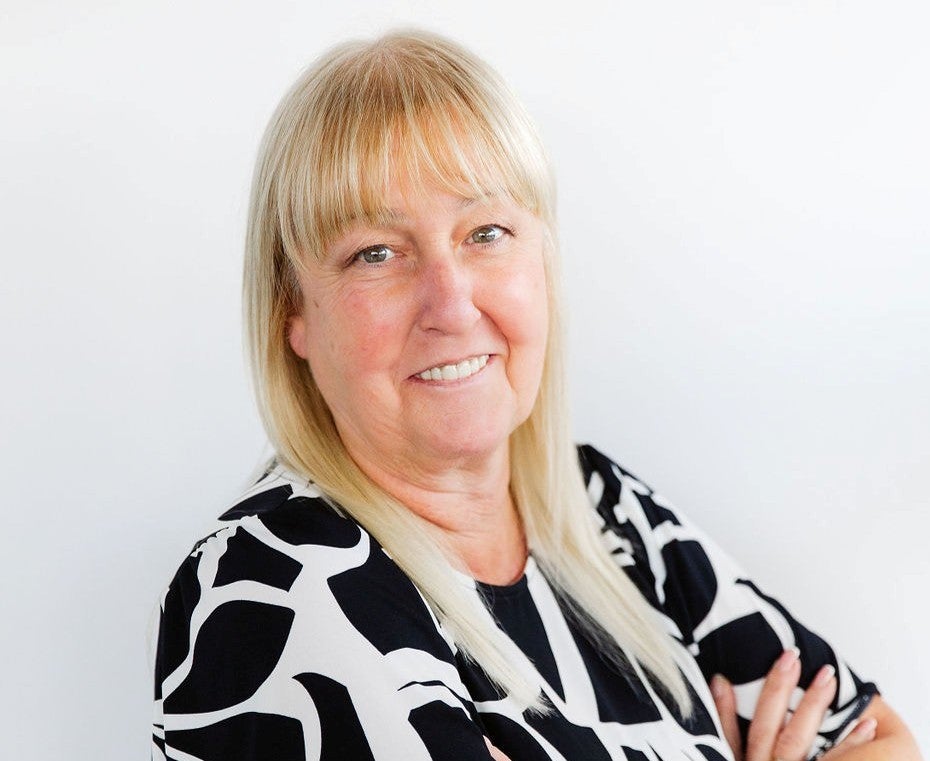
Mark Nelson, MD of Compass Business Finance
Outside renewable energy, Compass focuses on
the professions sector, providing assets for dentists, vets and
opticians.
Mark Nelson summed up: “We specialise, we are
not a general asset company, and we make sure we understand the
market.
“This is particularly important, because in
any sector in finance, you are going to have delinquent accounts,
so it is knowing how to manage those, knowing when to recover goods
if necessary, how to remarket them, that is crucial.”