
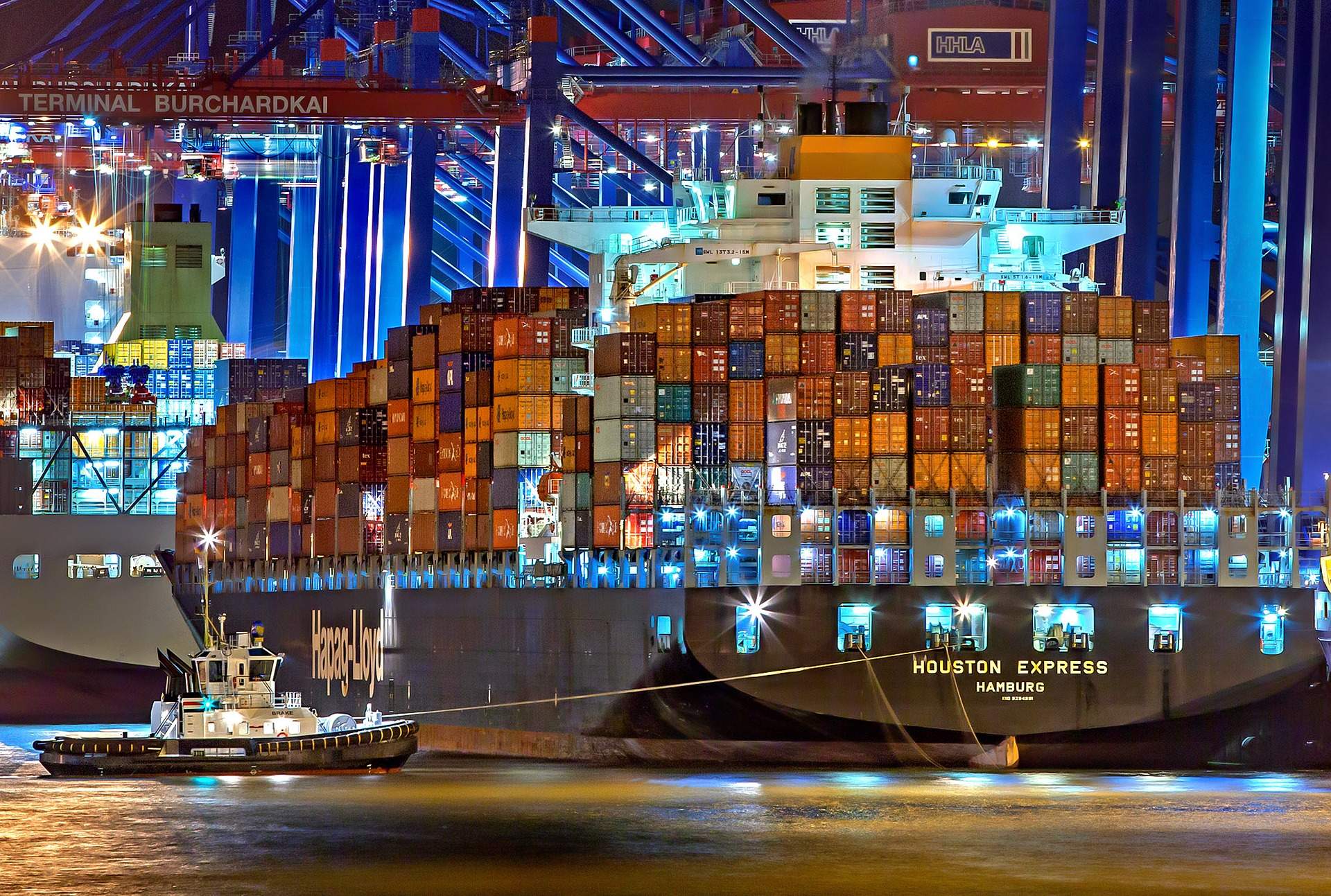
The number of UK SMEs trading internationally has reduced to just 26% over the course of 2017, down from 52% in 2016, according to research by money transfer provider WorldFirst.
This means some 800,000 British SMEs have stopped trading cross-border from one year to the other.
Go deeper with GlobalData

Access deeper industry intelligence
Experience unmatched clarity with a single platform that combines unique data, AI, and human expertise.
The percentage of SMEs reportedly planning to export their products in the near future fell to 29%, down from 2016’s 31%.
Finland, the United Arab Emirates and Turkey were the most fertile countries for UK SME exports in 2017.
Jeremy Cook, chief economist at WorldFirst, said: “After a year of Sterling fluctuation, inflation fears and obfuscation around the government’s Brexit negotiations, it’s little surprise that our SMEs’ appetite to trade internationally is at rock bottom. There were too many unknowns in 2017 and international trade suffered as a result.
“The only positive to come from such a negative year may be that UK SMEs are seemingly drowning out the Brexit noise. Since the end of 2016, a significantly larger contingent of small businesses feel positive about leaving the EU.
US Tariffs are shifting - will you react or anticipate?
Don’t let policy changes catch you off guard. Stay proactive with real-time data and expert analysis.
By GlobalData“The pound is stronger than it’s been since the referendum and many SMEs may finally have plans in place for a post-Brexit world. We can only hope this translates into businesses dusting themselves off and getting back to international trading in 2018.”
Governmental agency UK Export Finance (UKEF) launched a series of initiatives last year aimed at boosting British SMEs’ exports.