
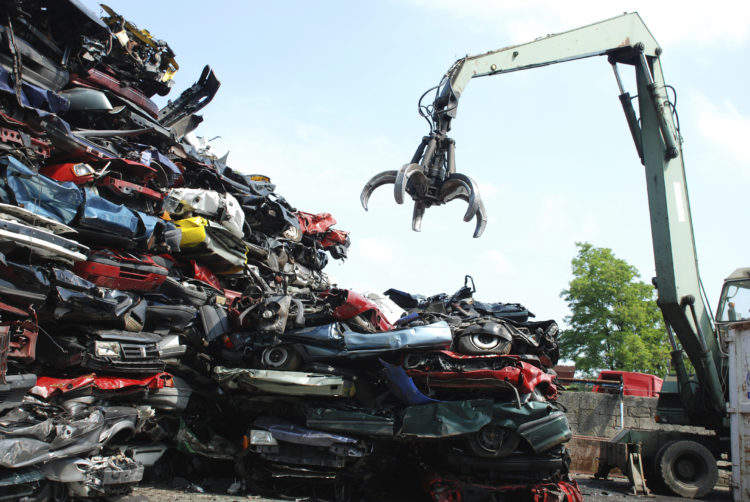
The British Vehicle Rental and Leasing Association (BVRLA) has called on the UK’s three main parties to develop a diesel scrappage scheme, as it outlined its priorities for an upcoming government to address.
The report, ‘A fleet and mobility services manifesto,’ also addresses emissions, road safety, and connected cars among other topics, and will be sent to each of the UK’s three major political parties. The establishment of a diesel scrappage scheme is part of the BVRLA’s ‘six-point plan’, which also includes a review of company car taxation; a commitment to clean air zones, and pushing autonomous braking in cars.
Go deeper with GlobalData


Access deeper industry intelligence
Experience unmatched clarity with a single platform that combines unique data, AI, and human expertise.
The BVLRA said the scrappage scheme should provide assistance for companies to exchange older, more polluting vehicles, and incentivise the uptake of electric cars among private car owners, or promote ‘more sustainable’ transport, such as car sharing and rental.
The manifesto also advocated the removal of the requirement that commercial vehicle examiners be directly employed by the Driver and Vehicle Standards Agency, and called for HGV testing through the same MOT testing model testing model available for private cars and light commercial vehicles.
The BVRLA suggested the establishment of a ‘mobility data hub’ to provide neutral advice regarding the potential of connected cars and their data.
BVRLA, chief executive Gerry Keaney stressed the importance of the BVRLA’s members, and described the move towards data mobility services as a challenge facing politicians.
US Tariffs are shifting - will you react or anticipate?
Don’t let policy changes catch you off guard. Stay proactive with real-time data and expert analysis.
By GlobalDataHe said: “It is essential that the new government understands the vital role our members’ huge purchasing power can play in delivering safer, sustainable and more cost-efficient road transport.”
“Policymakers face a real challenge, not just in terms of Brexit, but also in how the UK embraces the move towards data-driven mobility services.”
Keaney added that the manifesto would ensure the industry’s issues were not forgotten, “regardless of the make-up of the government after 8 June.”