
The collapse of Arena Television in late 2021 remains one of the most sobering episodes in recent UK asset finance history.
Arena Television’s absconded directors and lessors’ missing millions
Go deeper with GlobalData


Access deeper industry intelligence
Experience unmatched clarity with a single platform that combines unique data, AI, and human expertise.
What appeared to be a thriving broadcast business was, in reality, a meticulously orchestrated fraud. Dozens of lenders, more than 50, by some counts, were exposed to a web of falsified documents, phantom equipment, and duplicated finance agreements. The aftermath was devastating and made painfully clear that the industry lacked a way to see the full picture.
In the wake of Arena, the industry faced a reckoning. How had so many institutions, with supposedly strong risk mitigation frameworks, failed to detect what was ultimately a shared vulnerability? The answer: a systemic lack of visibility. Traditional tools, credit reference agencies, internal fraud checks, Companies House data, couldn’t provide a cross-lender view of live agreements. The result was a perfect storm for coordinated fraud.
Had the asset finance industry’s long-standing reluctance to share information been exploited by Arena’s absconded directors? It certainly seemed that way.
Fraud prevention after Arena Television: will anything change?
US Tariffs are shifting - will you react or anticipate?
Don’t let policy changes catch you off guard. Stay proactive with real-time data and expert analysis.
By GlobalDataOut of that crisis came Acquis Lumia, launched in 2022 by Acquis Data Services, a division of Acquis Insurance Management Ltd. Lumia offered the industry what it never had before: a collaborative platform where asset finance providers share key data points from active agreements, anonymised and aggregated into a central register. It’s a simple but powerful concept, compare new applications against a wider market dataset to spot red flags in real time.
Under the Acquis Lumia platform, each participating lender submits a monthly file containing seven key data fields for every active asset finance agreement.
The data includes the agreement number, a unique identifier for each finance deal, and the lessor ID, which indicates the submitting lender. It also captures the start and expiry dates of the agreement, providing insight into the duration and overlap of borrowing arrangements. To identify the borrower, the company registration number is submitted, along with the lessee company name, which is anonymised before being stored in the central register. Finally, the net book value of the asset, its current value on the lender’s books is recorded, giving a financial reference point for the agreement.
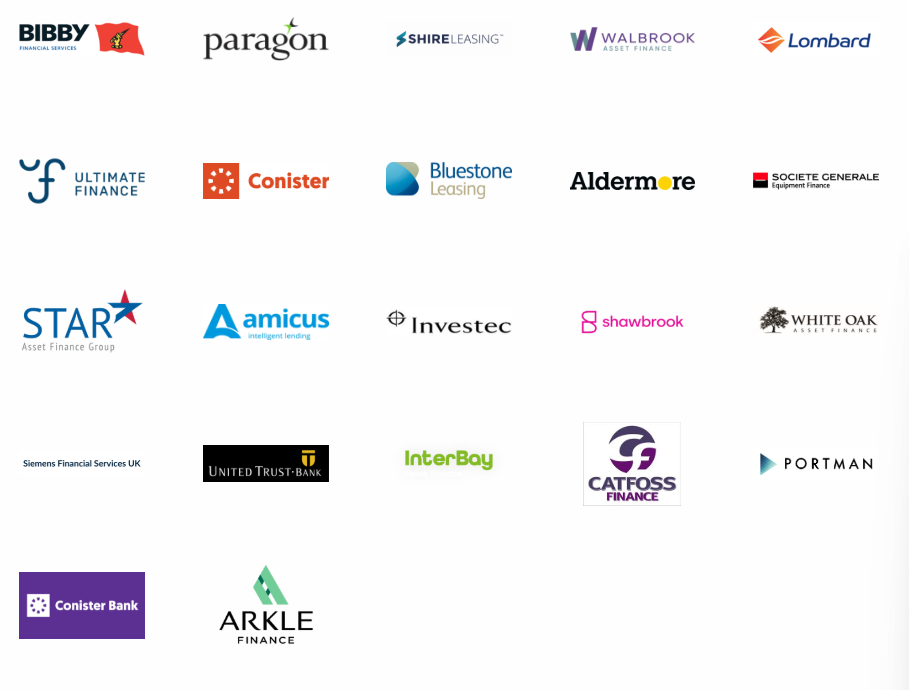
And now, with Grenke announced as Lumia’s 40th member, the platform’s growth is difficult to ignore. It includes major banks like Lombard, HSBC Equipment Finance and Lloyds, as well as independents like Liberty Leasing.
The pace of adoption points to a sector that no longer sees collaboration as a compromise, but as a necessity.
There are signs it may be working. According to GBG data, cited in the Cifas Fraudscape 2025 report, identity fraud in the asset finance sector has dropped more than 80% in the past year alone, from 7,837 cases in 2023 to just 1,560 in 2024. It’s the sharpest decline of any sector. The report cites “targeted anti-fraud measures” as a key factor. Could Lumia be among them? It’s a compelling possibility.
Asset finance fraud plummets 80% amid sector crackdown: Cifas
To be clear, Lumia isn’t a silver bullet. The fraud landscape continues to evolve, with increasingly sophisticated threats targeting even the most robust lenders. Also, Acquis is not alone in seeking an industry-wide solution in the UK. But Lumia does represent a fundamental shift, from isolated risk management to shared intelligence.
With Grenke now on board and the platform reaching its 40-member milestone, this moment feels like a turning point. Is it confirmation that the fraudsters are losing ground? More likely, it is that it is too soon to tell. But for the first time in years, the asset finance sector has a tool built not just to react to fraud, but to anticipate it.
And that might just make all the difference.
Frequently asked questions
-
1. What was the Arena Television scandal and why did it matter?
Arena Television collapsed in 2021 after it was revealed that the company had secured hundreds of millions of pounds in funding using fake assets and falsified documents. Over 50 lenders were exposed, many unaware they were financing the same (non-existent) equipment. The case exposed a major weakness in the industry: the lack of a shared view of customers’ existing finance agreements.
-
2. What is Acquis Lumia and how does it help prevent fraud?
Acquis Lumia is a secure, industry-wide platform launched in 2022 by Acquis Data Services. It allows lenders to share anonymised data about live asset finance agreements. By comparing new applications against aggregated data from across the market, lenders can spot duplicate borrowing, irregular patterns, and potential fraud that would otherwise go unnoticed.
-
3. What kind of data do lenders share through Acquis Lumia?
Each month, lenders submit seven essential fields for every active agreement, including: agreement number, lessor ID, start and end dates, company registration number, anonymised lessee name, and the net book value of the asset. This data is anonymised and stored centrally, allowing lenders to compare against it during credit assessments without compromising confidentiality.
-
4. Who are some of the major participants in Acquis Lumia?
Lumia has quickly grown to include 40 members, including major players like HSBC Equipment Finance, BNP Paribas Leasing Solutions, Investec, Lombard (NatWest), Siemens Financial Services, Novuna, Paragon Bank, and Liberty Leasing. Most recently, Grenke joined as the 40th member, signalling continued momentum and industry buy-in.
-
5. Is Acquis Lumia responsible for the recent drop in asset finance fraud?
While no single measure can take full credit, recent figures from Fraudscape 2025 (via GBG and Cifas) show an 80% decline in identity fraud in the asset finance sector over the past year. This dramatic drop coincides with the wider adoption of Acquis Lumia and other targeted anti-fraud initiatives—suggesting that collaborative platforms like Lumia are playing a meaningful role in improving risk visibility and reducing fraud.