


With negotiations over a trade deal between the UK and the EU set to go to the wire of the 31 December deadline, the impact of Brexit upon the UK’s auto industry has struggled for national airtime as the discussions over fishing rights seemingly dominate the mass media.
The fixation on fishing rights – contributing some 0.05% of UK’s GDP – compared with the apparent indifference that a ‘no deal’ Brexit attracts for the automotive sector (approximately 9% of UK GDP) is difficult to comprehend.
Go deeper with GlobalData


Access deeper industry intelligence
Experience unmatched clarity with a single platform that combines unique data, AI, and human expertise.
A recent survey of readers of Just-Auto, a trade title, conducted by business intelligence company GlobalData plc, the parent of Leasing Life, reinforces that impression. The majority of respondents – all active in the sector – see Brexit, of any shade, as being damaging for the UK automotive sector. Just 12% of respondents see Brexit as not damaging the automotive sector.
The findings support the analysis carried out by GlobalData back in 2019 which examined several Brexit scenarios. In the case of ‘no deal’ the on-cost to the UK automotive sector was calculated to be in the region of £4bn a year, equivalent to 2% of gross value added for the sector or 5% of its turnover, while the costs associated with non-tariff barriers (NTBs) would also increase markedly.
Q: Do you expect the Brexit impact to cause damage to the competitive position of the UK automotive sector?
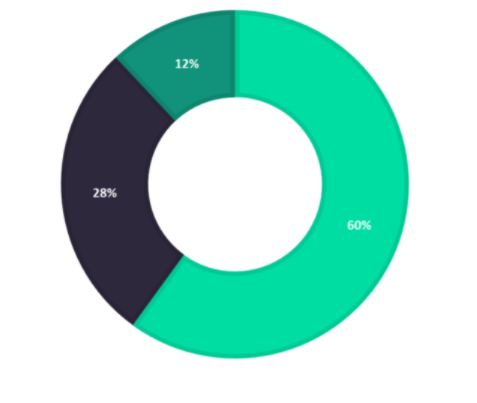
Undoubtedly there will be many hoping that a ‘no deal’ Brexit will only bring short-term damage to the sector. Adjustments to just-in-time schedules will be made, more components will be sourced from the UK, buffer stocks accommodated and digital advances will lessen the impact of NTBs. This position is shared by 38% of survey respondents.
US Tariffs are shifting - will you react or anticipate?
Don’t let policy changes catch you off guard. Stay proactive with real-time data and expert analysis.
By GlobalDataHowever, the possible long-term damage to the automotive sector concerns fully 60% of respondents. And in an industry already struggling with overcapacity and dealing with the exogenous shock of Covid-19, it’s hard to escape the notion that a ‘no deal’ Brexit would make certain decisions far more straightforward.