
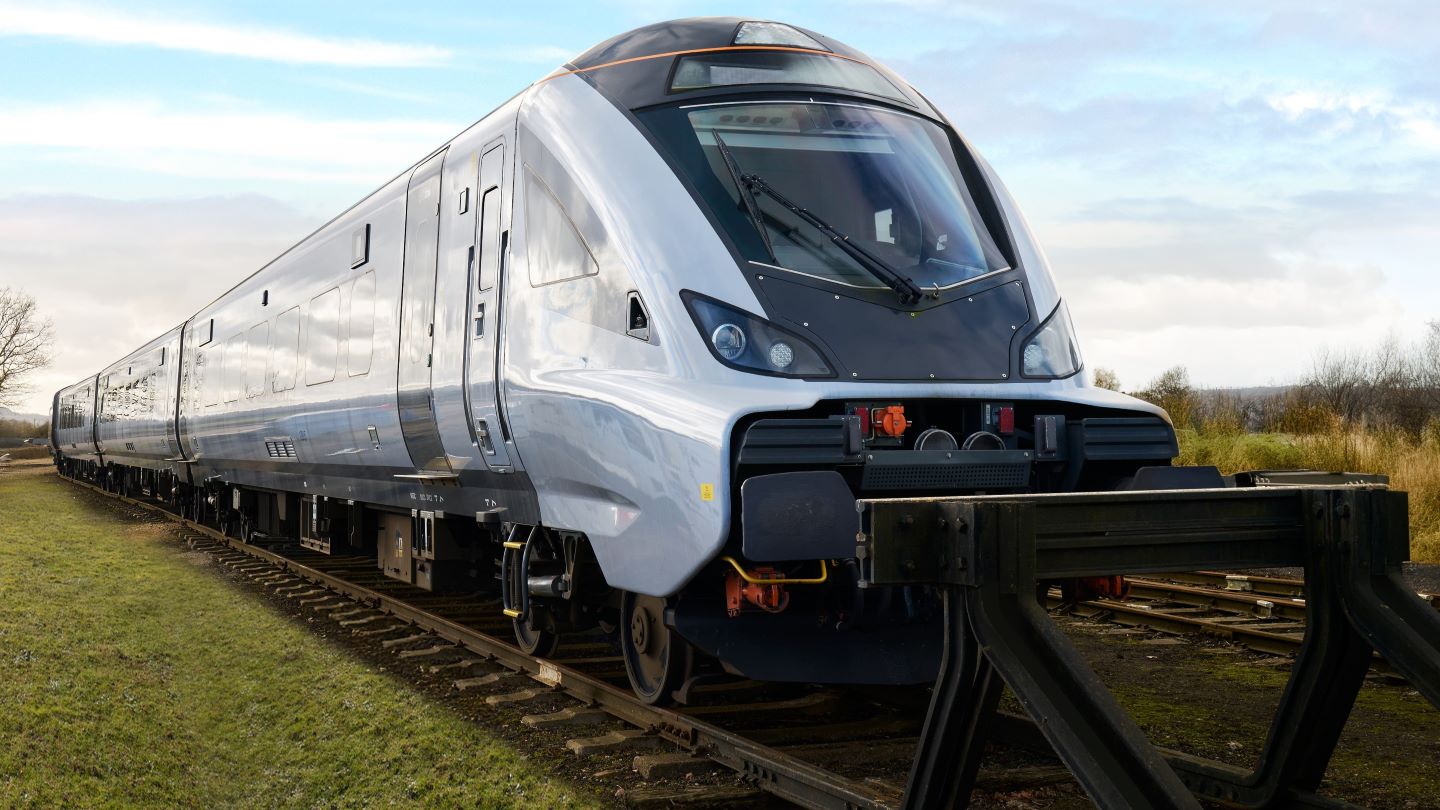
Chiltern Railways, part of Arriva Group, has signed a ten-year rental agreement with Beacon Trains for 13 low-emission trains.
Supported by the UK’s Department for Transport (DfT), the units are to be introduced in stages from next year and will replace the oldest trains in Chiltern’s current fleet.
Go deeper with GlobalData


Access deeper industry intelligence
Experience unmatched clarity with a single platform that combines unique data, AI, and human expertise.
The new trains will serve passengers on the route between London and various destinations in Buckinghamshire, Oxfordshire, and the West Midlands.
Chiltern Railways has opted for hydrotreated vegetable oil (HVO) to power these trains, reducing emissions across its network.
It began using HVO in July 2023 for its Class 68 locomotives, a first among UK passenger train operators.
The latest agreement is part of Chiltern Railways’ long-term strategy to modernise and decarbonise its fleet, with plans to electrify parts of its network and phase out older diesel trains by 2030.
Arriva Group UK trains managing director Amanda Furlong said: “We are proud to support this important milestone for Chiltern Railways, which is a great example of what can be achieved through strong collaboration with the government to deliver practical improvements for passengers.
“We look forward to seeing these upgraded trains improve journeys and lower emissions across the network.”
UK Rail Minister Lord Hendy said: “We are continuing to support Chiltern as they develop a plan to introduce additional services into their timetable, giving people more opportunities to work, live, and socialise.”
Arriva Group is looking to collaborate with government bodies and public transport authorities throughout the UK and mainland Europe to promote the use of lower-emission transport solutions.
These efforts include exploring alternative fuels, investing in network electrification, and using battery-hybrid and fully electric vehicles.