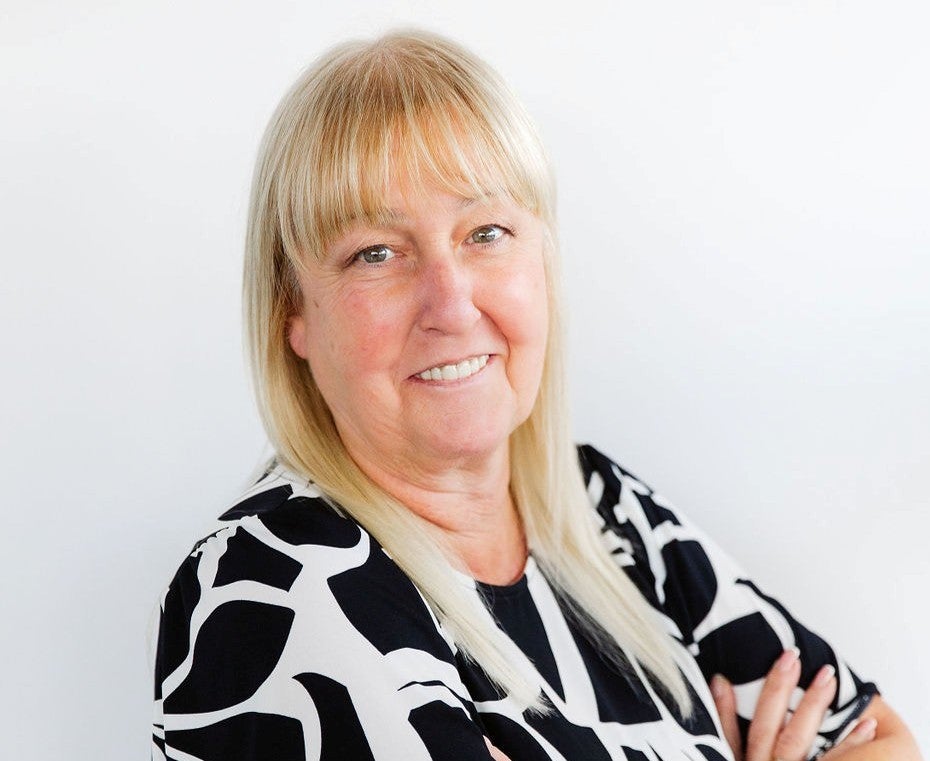

Mike Randall, the incoming chairman of The Leasing Foundation, talks to Leasing Life about diversity and inclusion in asset finance and leasing
The killing of an unarmed black American by police in Minneapolis in March has prompted global protests and calls for change across the board. In the business world, this has led to a renewed focus on how companies should address a lack of diversity in the workplace.
Go deeper with GlobalData


Access deeper industry intelligence
Experience unmatched clarity with a single platform that combines unique data, AI, and human expertise.
We speak to the Leasing Foundation’s Mike Randall, on the subject of diversity and inclusion (D&I) in the sector.
Q: When it comes to managing stereotypes and prejudice in the workplace, would you agree that corporate structures (as well as behaviour) require change?
A: In some areas, yes. The right culture needs to be embedded into the foundations of a business from the very start. Stereotypes and prejudices – and how we respond to them – are all driven by company culture and culture is driven by leadership teams in businesses. It is a commonly known fact that, if you have the right values and behaviours at the core of a business, then discrimination is less likely to happen in the workplace.
Q: Have you experienced productivity benefits on the back of diversity improvements first-hand?
A: Having a diverse and inclusive workplace also attracts and retains talent with a broad range of experience, makes for a happier work environment (a happy, inclusive workforce works harder than an unhappy one) and ultimately engages the people who buy our products and services.
In short, yes, I have personally seen that ensuring the correct values and behaviours are embedded into a business, lead to exponential performance of a business as a whole.
Q: Would you agree that companies in the UK shouldn’t have a problem with achieving high levels of workplace diversity as there’s an international pool of talent here from which to choose?
A: It’s true that organisations should reflect the mix of people in society at large. But it’s about inclusion regardless of specific definitions – and bringing different mindsets together to change the culture in an organisation. Every company should open itself up to inclusion and be prepared to listen to everyone in their organisation. Everyone’s opinion counts. We must all be prepared to value the different perspectives in our organisations and step up and change the status quo that exists.
Q: Presumably, big companies with big workforces and deeper pockets are better placed at introducing and managing D&I reforms, but smaller employers have fewer resources with which to deliver the same outcomes, would you agree?
A: I disagree with this. In general, I have found that bigger companies, that have been around for longer, have bigger cultural issues. They will have an existing, deep-rooted culture which is less flexible and often means resistance to change. And because of this, we may come across certain attitudes and perceptions that go against the grain of diversity. It all starts with leadership. It’s important to have buy-in at the top. Breaking down barriers is difficult enough, but if the leadership isn’t on board, it’s impossible.
Q: What role can the government play in helping companies achieve their D&I objectives?
A: It needs to lead by example and promote equality at all times and at all costs.
Q: Asset finance companies still have a long way to go to achieve more parity in their D&I. What can be done to improve this?
A: Asset finance has got a lot better in the last five or six years, but it was a very low benchmark to start with! Now you meet people from lots of different backgrounds, at meetings, conferences and events. But it could be much better.
The industry needs to open up, allow people to be who they are and see the value in differences. But at the end of the day, diversity in itself isn’t a target. You want a multitude of different ideas and diversity is just a short cut to get there.
As chair of the Leasing Foundation, I am proud to say that we have a programme dedicated to D&I. The champions for this initiative are doing really great work in this area.
Q: Is there a place today for all-male boardrooms in asset finance?
A: No, of course not. Hiring people that are ‘a mirror image of ourselves’ is now completely outdated. Not only because it goes against everything we talk about from an inclusion point of view, but because it means ending up with individuals on the board who come up with the same ideas as each other. A diverse culture means we’re all more productive.
Q: How do you feel about company board quotas to bump up the representation of minorities?
A: I’m sure it’s all done with the right intention, but I’ve seen cases in which some organisations have boards where women and people from minority groups are less influential in terms of decision-making, which misses the point completely. This is where inclusivity comes into play.
Ticking the box on having diverse leadership isn’t enough, you also have to have an open mindset and empower and listen to those who bring a different perspective. We should all be looking for the next generation of brilliance. If someone is good enough to be in the business, then why shouldn’t they be on the board?