
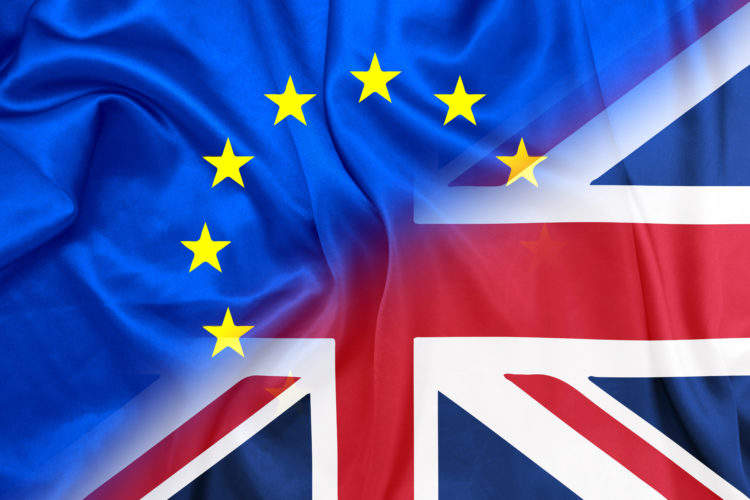
A ‘hard Brexit’ may lead to a large reduction in funding for European SMEs, according to a report by the Association for Financial Markets in Europe (AFME).
The report ‘Bridging to Brexit: Insights from European SMEs, Corporates and Investors’ was created with the Boston Consulting Group (BCG) and Clifford Chance.
Go deeper with GlobalData

Access deeper industry intelligence
Experience unmatched clarity with a single platform that combines unique data, AI, and human expertise.
BCG consulted 62 SME decision makers, large corporates and investors, and 10 industry associations about the effects of Brexit, and found that a hard Brexit may reduce access to wholesale banking services or increase their cost to European SMEs.
In its supply side analysis, AFME’s report revealed that €1.28trn (£1.12trn) of bank assets may have to be relocated to EU jurisdictions post-Brexit, barring any specific agreement being struck. Securities and derivatives trading, which is concentrated in London, was assessed to have the greatest potential for disruption.
Simon Lewis, chief executive at AFME, said: “The clear message from our report is that our interviewees, especially small firms with customers or suppliers cross-border, believe that a hard Brexit could impact their business and growth.
The report highlighted that SMEs could suffer the most from the effect of a hard Brexit on wholesale banking, stating that SMEs accounted for over 75% of non-financial sector employment in Bulgaria, Estonia, Latvia, and Lithuania.
The impact of Euro-clearing moving out of the UK to an EU country was assessed to be a 40-50% of bank’s initial margins of between €30m and €40m. AFME said the cost would need to be allocated between banks and clients on an individual basis.
BCG estimated that “Brexit-related fragmentation” could lead to banks having to hold up to €20bn of additional capacity to deal with “long-term inefficiencies.”
Chris Bates, partner at Clifford Chance, said: “Much has been said about the challenges of a hard Brexit for banks, but that only tells half the story. The truth is that from SMEs to international businesses, companies that rely on those services are equally at risk.”
The report found that 80% of interviewees hoped that Brexit negotiations would result in similar levels of access and costs in wholesale banking services.